


 Share
Share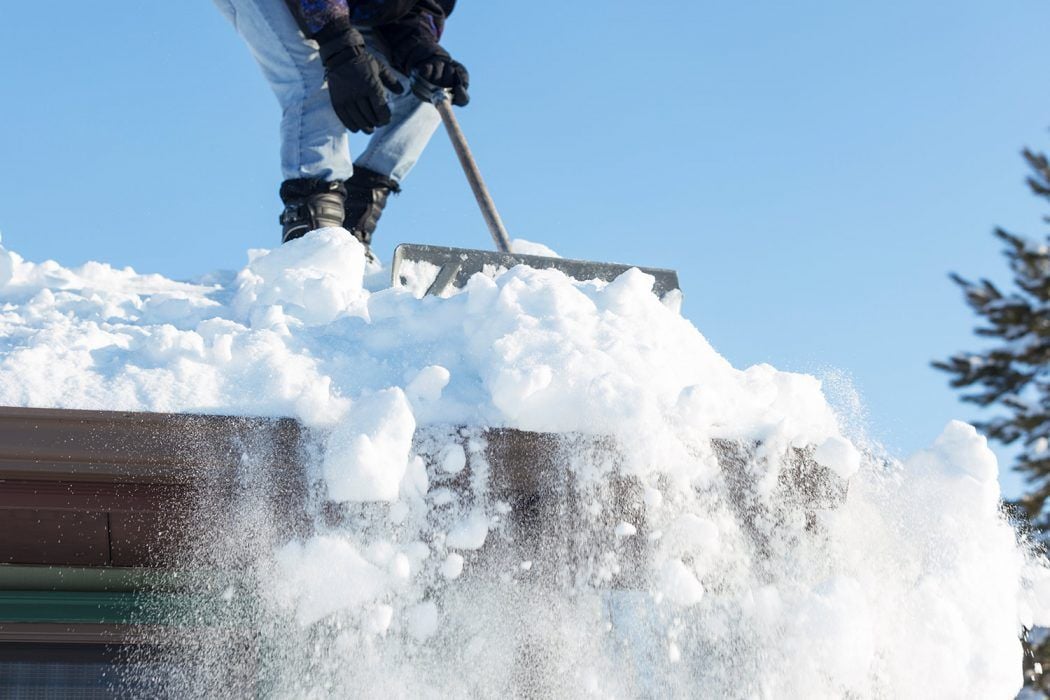
A practical guide for building and property owners preparing for today’s evolving winter conditions.
How Pre‑Engineered Metal Buildings Hold Up Against Increasingly Severe Winter Storms
Many regions have experienced winter events that feel stronger, more frequent or less predictable than in past decades. Some areas have even seen snow accumulation that exceeded what older structures were originally designed to handle. At the same time, roof performance can be influenced by how snow and ice gather in specific locations such as at roof steps, parapets, overhangs or along blocked drainage paths. These concentrated “snow pockets” often weigh far more than the surrounding snowpack, and both FEMA and industry sources note that such localized loads have contributed to structural stress or isolated failures.
These snow‑collection behaviors are not new, but their impact becomes more noticeable during intense storms or in buildings originally engineered for lower or more uniform snow loads.
This guide breaks down how winter loads truly behave, why pre‑engineered metal buildings (PEMBs) are well suited for these conditions and how owners can support long‑term performance as winter patterns evolve.
How Winter Roof Issues Develop
Even during large storms, roof failures rarely come from total snowfall alone. Instead, challenges usually start with where snow and ice migrate and how they behave afterward. Drifting, sliding, thaw‑and‑freeze cycles, and water absorption can all create sudden, uneven loads far heavier than the visible snow depth indicates.
Below are four of the most common real‑world causes of winter roof problems:
- Drifting Snow at Roof Features
Wind interacts with buildings in uneven ways. Parapets, slope changes, step‑downs and nearby tall structures can act as collection points, creating drifts several times deeper than the surrounding snow.
Even buildings with decades of trouble‑free performance can develop new drift patterns with the right storm conditions.
- Sliding Snow from Upper Roofs
Multi‑level structures often experience shedding from warmer upper roofs. When that snow slides onto a lower level, it can create an instant, concentrated load the lower roof was never intended to bear. Sliding can also strain gutters, seams and wall panels.
- Rain‑on‑Snow Events
Rain soaking into existing snow dramatically increases its density and weight. Because temperatures now fluctuate more frequently around the freezing point, these rain‑on‑snow situations are increasingly common and can overload roofs quickly.
- Ice Blocking Gutters and Drains
When meltwater hits frozen drainage components, it backs up and refreezes. This buildup can overload roof edges or trap water that later freezes into a dense, heavy mass.
On low‑slope roofs, ponded water that refreezes becomes a separate load entirely; one that may not have been anticipated during the building’s original construction.
Why Pre‑Engineered Metal Buildings Perform Effectively in Winter
Today’s winter performance is about more than how much snow falls; it’s about how snow behaves. Modern engineering practices use broader climate datasets, load‑tracing analysis and updated modeling approaches that account for drift, slide paths, and variable snow density.
PEMBs are naturally compatible with these real‑world engineering methods, and leading manufacturers enhance this advantage with proprietary design tools and advanced load‑analysis systems.
Designed for Local Snow Patterns
A PEMB is engineered to match its site-specific conditions; including expected drift zones, wind exposure, roof geometry and terrain. This allows structural strength to be concentrated exactly where it matters most.
Targeted Reinforcement for Drift Areas
Because snow drifting is one of the most common causes of local overload, PEMB engineers can apply reinforcement to the areas most likely to collect snow. This approach corresponds with modern engineering requirements that better reflect how snow actually behaves.
Metal Roofs Naturally Shed Snow
Metal roof surfaces have lower friction, which means snow can slide off more easily on certain slopes. When paired with proper detailing and safe clearance areas below, this can reduce retained snow on the upper roof. Designers still evaluate where the sliding snow will land to avoid overloading lower sections.
Adaptable to Changing Winter Patterns
PEMBs can be engineered to meet updated code requirements and reflect new snow‑load research. As winter storm behavior evolves, new buildings can incorporate stronger design criteria, while existing buildings can be evaluated by professionals to determine whether targeted upgrades could add peace of mind.
What Building Owners Should Look For After a Storm
Even a well‑designed building can experience stress when snow collects in unexpected ways. Owners don’t need structural expertise to spot concerns.
Watch for:
- Uneven or sagging roof lines
- New popping, cracking, or expansion noises
- Framing that appears bowed or walls that lean
- Doors or windows suddenly sticking
- Ice dams or visibly obstructed drainage
If structural damage is suspected, restrict access and contact a licensed structural professional immediately.
Snow Removal: Don’ts
Snow removal should be handled by trained professionals. Improper methods can damage roof systems or introduce new hazards.
Avoid:
- Chipping or breaking ice with metal tools
- Pushing snow blindly off edges
- Removing snow unevenly, which can worsen imbalanced loads
- Walking on ice‑covered or snow‑packed roofs
- Using heat sources to melt ice
- Allowing untrained workers or heavy equipment on the roof
Preparing Your Building Before Winter
Proactive maintenance helps minimize winter risks:
- Clear gutters, downspouts and drains
- Inspect fasteners, seams and flashing
- Review areas where snow has historically collected
- Consider heat tracing in freeze‑thaw regions
- Discuss local winter trends with your builder or maintenance provider
- Consult a professional about whether snow guards are recommended
Download our Winter Readiness Checklist
What to Avoid Before a Storm
- Don’t ignore drainage paths
- Don’t overlook rooftop accessories or equipment
- Don’t skip checking insulation or air leaks beneath the roof
- Don’t assume early-season mild weather will continue
- Don’t use salt or ice‑melt products on metal roofing or components
Why Updated Winter Engineering Matters; Even in Areas with Older Codes
Not all regions adopt the most recent building codes at the same pace. Many continue using older editions that may not reflect today’s data on drifting, wet snow, freeze‑thaw behavior or storm frequency.
Using modern engineering thinking, even voluntarily, can significantly strengthen long‑term winter performance.
PEMBs engineered to current best practices prepare buildings for:
- Frequent temperature swings
- Heavier, wetter snowfalls
- Large drift formations
- Repeated freeze‑thaw cycles
- Ice‑related drainage issues
Smart Winter Design Builds Confidence
Every structure and every storm behave differently. Metal buildings engineered with up-to-date practices offer durability, adaptability and reliable performance throughout winter conditions.
Safety Reminder
This guide provides general best practices. Always consult a licensed structural professional for building-specific evaluations.
Want to learn more? Listen to our Metal Minutes Podcast: Built for the Freeze: Why Pre‑Engineered Metal Buildings Excel in Winter
 Back
Back


Share